
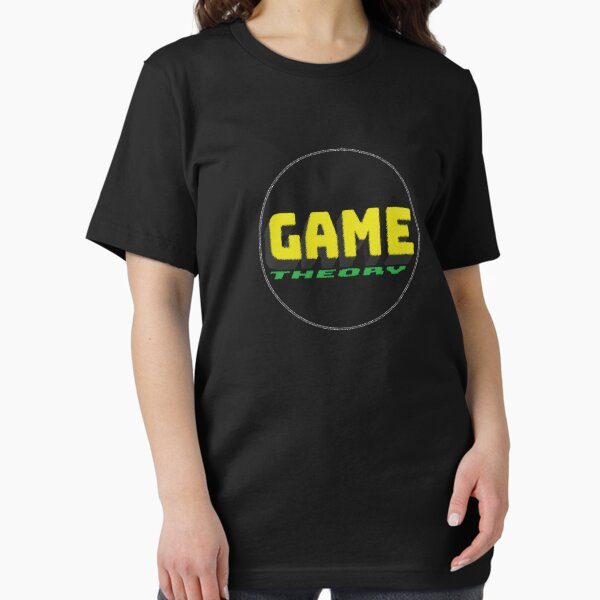
Game Theory Shop Hacks: A YouTuber’s Path to Playful Profit
Imagine turning the abstract puzzles of game theory into a thriving online store that not only educates but also generates steady income. That’s the promise behind the Game Theory Shop, a niche that savvy YouTubers are exploiting to create playful profit while keeping their audiences engaged. In this post, we’ll explore how a content creator can transform strategic thinking into a profitable shop, blend entertainment with entrepreneurship, and scale the model for long‑term success.
What Is the Game Theory Shop and Why It Resonates
The Game Theory Shop is a digital storefront that sells merchandise, courses, and exclusive content rooted in the principles of game theory. From clever t‑shirts featuring classic payoff matrices to interactive PDFs that walk viewers through real‑world strategic dilemmas, each product taps into the intellectual curiosity of the audience. Because the concept merges education with novelty, fans feel they’re getting value beyond typical merch.
For YouTubers, this niche offers a perfect alignment with their channel’s theme. When a creator regularly discusses strategic thinking, competition, or decision‑making, the shop becomes a natural extension rather than a forced advertisement. This synergy boosts credibility and makes the sales pitch feel like a continuation of the regular content.
Game Theory Shop Hacks for YouTubers
First, leverage video content to showcase the merchandise in action. A short “unboxing” or a walkthrough of a strategic game kit creates visual interest and demonstrates utility. Second, embed limited‑time offers within the video description, using countdown timers to spark urgency. Third, incorporate interactive polls or live‑stream challenges where viewers use shop items to solve a puzzle on the spot; this drives immediate purchases and fosters community participation.
Another hack is to bundle products with exclusive digital perks, such as a private Discord channel where the creator hosts weekly game theory discussions. Bundles increase average order value and reward loyal fans with extra content they can’t get elsewhere. Finally, use affiliate links for related books or software, allowing the creator to earn commissions while reinforcing the shop’s educational focus.
Creating Content That Converts Without Feeling Salesy
The key is to embed the shop organically within the storytelling. Instead of a hard‑sell, present a scenario where the product solves a problem discussed in the video. For instance, after explaining the Prisoner’s Dilemma, the creator can reveal a “Dilemma Deck” sold in the shop, showing how viewers can replay the scenario at home. This contextual placement feels helpful rather than intrusive.
Consistent branding also matters. Use the same color palette, logo, and tone across videos and the shop’s website. When viewers see a cohesive visual identity, trust builds, and they’re more likely to convert. Additionally, share behind‑the‑scenes footage of product design, highlighting the creator’s personal involvement. Authenticity resonates strongly with audiences and differentiates the shop from generic merch stores.
Measuring Success and Scaling the Playful Profit Model
Track metrics such as click‑through rates from video descriptions, conversion percentages, and average order value. Use UTM parameters to attribute sales to specific videos or campaigns. Analyzing this data helps identify which content formats drive the most revenue, allowing the creator to refine their strategy.
To scale, consider expanding the product line based on audience feedback. Conduct polls asking fans which game theory concepts they’d like to see turned into merch next. Additionally, collaborate with other educational creators to cross‑promote each other’s Game Theory Shops, tapping into new audiences while sharing the workload.
Finally, reinvest a portion of the profits back into content production—higher‑quality video equipment, professional graphic design for merch, and paid advertising can accelerate growth. By treating the shop as a dynamic extension of the channel rather than a static side project, creators can sustain playful profit for years to come.